

Rising Tungsten Prices and Their Impact on Drilling Cost Structure
- Date:2026-05-21
- Share with:
Rising Tungsten Prices and Their Impact on Drilling Cost Structure
1. Introduction: Tungsten Costs and Drilling Economics
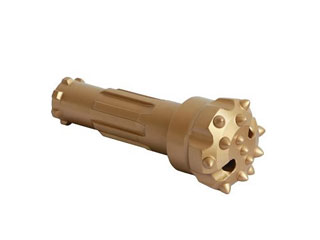
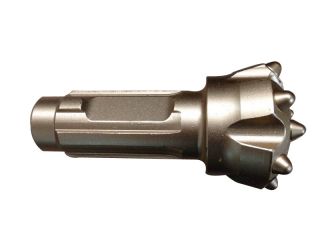
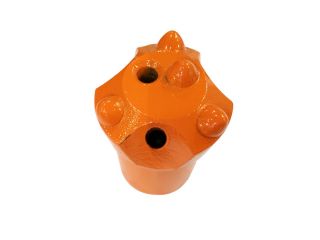
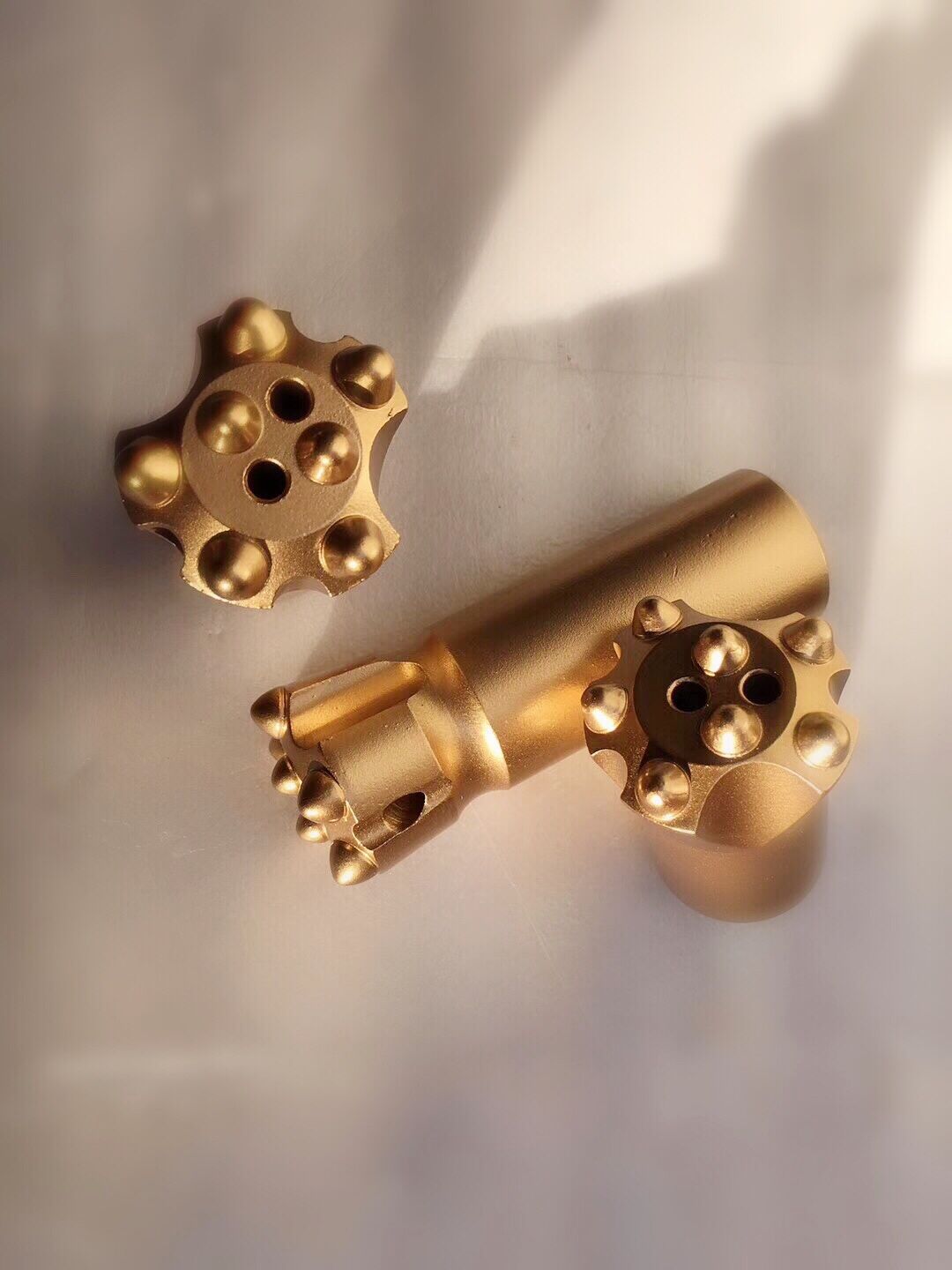
Tungsten-based alloys are a critical component in many drilling tools, including DTH hammers, drill bits, and cutting inserts. Recent market trends have seen significant increases in tungsten prices, creating ripple effects across the drilling tool supply chain.
Understanding how tungsten price volatility impacts total drilling cost is essential for procurement, engineering planning, and operational efficiency.
2. The Hidden Link Between Tungsten Price and Cost per Meter
While raw material costs are visible and measurable, they are not the only determinant of drilling cost. In practice:
· A more expensive tungsten tool may last longer and perform more consistently.
· A cheaper tool may fail sooner, increasing replacements, downtime, and operational inefficiency.
In this sense, cost per meter drilled remains the true metric for evaluating economic impact, not unit price alone.
3. How Rising Tungsten Prices Affect Tool Economics
3.1 Tool Unit Price
As tungsten prices rise, the direct cost of producing carbide inserts and wear parts increases. This raises the upfront cost of drilling tools.
3.2 Replacement Strategy
Operators may consider switching to lower-cost alternatives. However, less durable tools may reduce effective service life, increasing tool change frequency.
3.3 Operational Downtime
Shorter service life and unstable performance caused by material compromise can lead to:
· More frequent stoppages
· Additional labor time for replacements
· Increased energy consumption per meter drilled
This can offset any savings from lower unit price.
4. Engineering and Procurement Implications
· Material Selection: Ensuring consistent tungsten alloy quality is critical to maintain predictable tool performance.
· Tool Design Optimization: Improving bit geometry and load distribution can reduce the sensitivity of tool life to tungsten cost fluctuations.
· Inventory Planning: Forward planning and safety stock become essential to avoid operational disruption when tungsten prices spike.
· Cost per Meter Analysis: Procurement decisions should always consider total drilling cost, not just purchase price.
5. Strategic Approaches to Mitigate Cost Impact
1. Focus on Service Life: Tools with slightly higher upfront cost but longer service life often reduce overall cost per meter.
2. Monitor Tool Wear: Regularly tracking wear patterns allows early detection of performance decline and avoids sudden downtime.
3. Optimize Operational Parameters: Proper rotation speed, feed rate, and impact energy help maintain efficiency even when tungsten grades vary slightly.
4. Diversify Supplier Base: Multiple high-quality suppliers help maintain supply continuity and price stability.
Rising tungsten prices highlight the need for system-level thinking in drilling cost management.
· Unit price alone is not a reliable measure of cost.
· Total cost per meter depends on tool life, stability, and operational efficiency.
· Engineering and procurement must collaborate to ensure that tools maintain predictable performance despite market volatility.
By prioritizing performance stability and service life, operators can mitigate the impact of rising tungsten costs and maintain cost-effective drilling operations.