

How Tool Changes Reduce Your Effective Drilling Time
- Date:2026-04-21
- Share with:
The impact of tool changes can be broken down into several key areas:
1. Time Spent on Tool Replacement
The process of replacing a tool can take anywhere from a few minutes to several hours, depending on the complexity of the equipment and the work environment. This time, although often perceived as minimal, adds up over the course of a project.
For example:
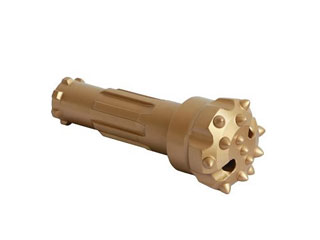
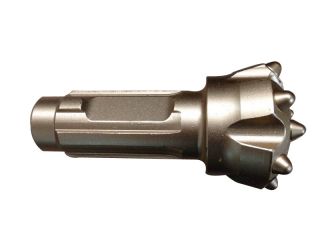
· Replacing a DTH hammer may take 30–60 minutes depending on site conditions.
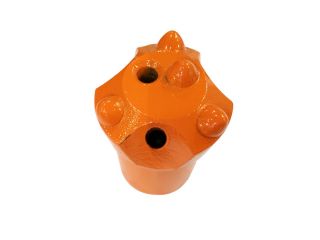
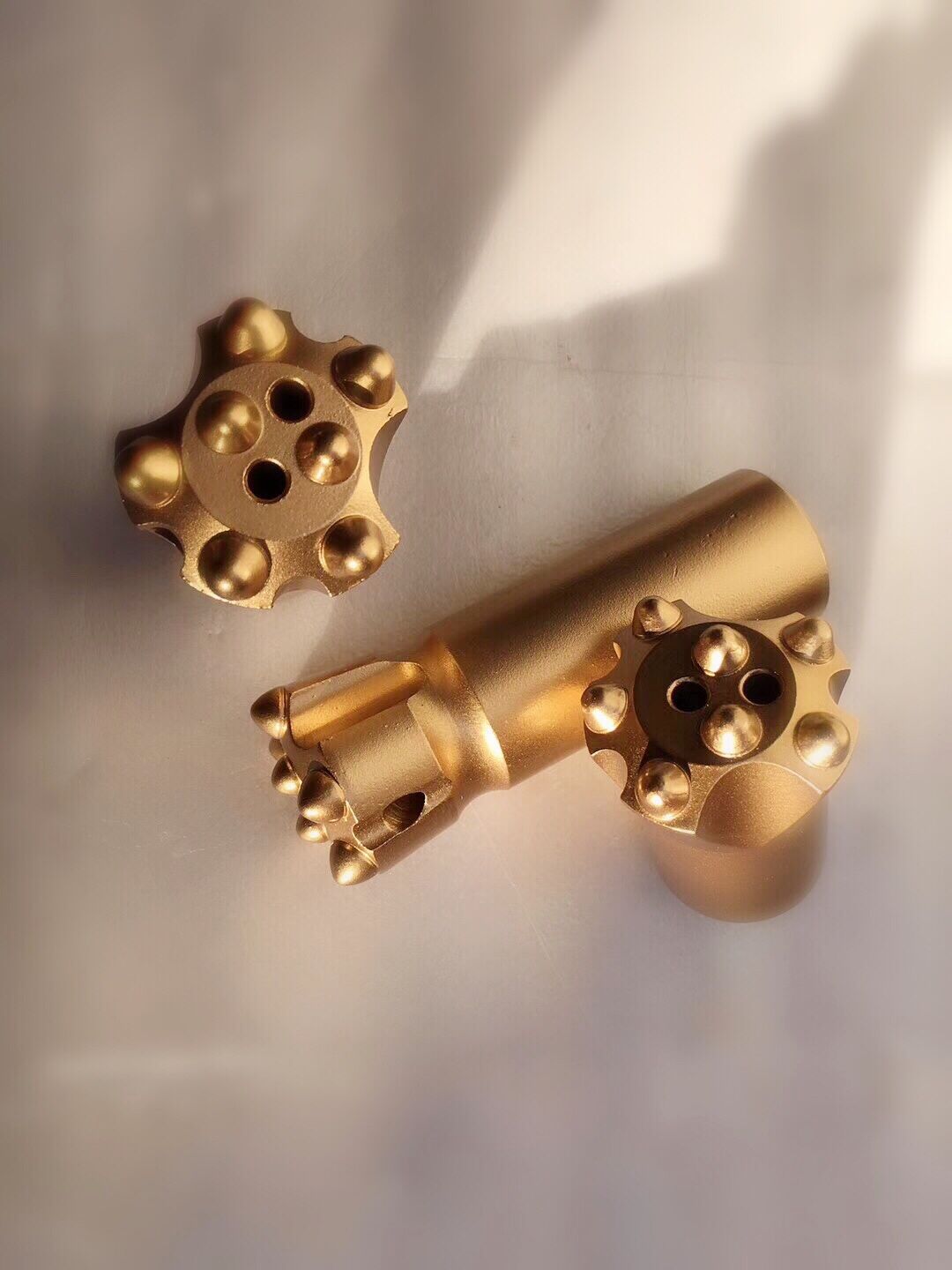
· Changing a drill bit might take up to 20 minutes, especially in remote locations with limited access to resources.
This unproductive time is often compounded by:
· Suboptimal tool management leading to frequent replacements
· Delays in supply chain or logistics, causing longer wait times for replacement tools
Even minor delays in tool changes can result in hours of lost productive drilling time per day.
2. Impact on Drilling Consistency
Frequent tool changes also affect drilling consistency. As the drilling equipment goes through multiple changes, the following issues may arise:
· Varying tool performance: Different tools may have slightly different efficiencies, leading to inconsistent drilling progress.
· Tool incompatibility: Incompatible or ill-matched tools can increase the risk of tool failure, leading to even more frequent downtime.
Ultimately, these fluctuations in performance affect effective drilling time — the ratio of productive drilling time to total operation time.
3. Increased Risk of Equipment Damage
During tool changes, there is an inherent risk of damaging equipment due to mishandling or poor installation procedures. This can lead to:
· Additional downtime for repairs and maintenance
· Accelerated wear and tear on drilling machinery
The cumulative effect of these problems can significantly reduce the overall reliability and performance of drilling equipment.
Reducing Tool Change Time: A Path to Greater Efficiency
Optimizing the tool change process is one of the most effective ways to reduce downtime and improve overall productivity. Here are a few strategies that can help:
1. Improved Tool Management Systems
A well-organized tool management system can reduce the frequency of tool changes by:
· Extending tool life through more efficient use and rotation
· Tracking wear patterns to predict when tools will need to be replaced, reducing unexpected downtime
2. Better Training for Operators and Technicians
Ensuring that your team is trained on the best practices for tool changes can:
· Reduce tool change time by improving efficiency and minimizing errors
· Lower the risk of equipment damage during installation and removal
3. On-Site Tool Storage and Readiness
Having a well-equipped, organized tool storage system on-site ensures that replacements are readily available, reducing time spent waiting for delivery and speeding up the process.
4. Upgrading to Faster, More Efficient Tools
Advancements in tool design and technology can reduce the time required for changes. Tools that are easier to install and remove can significantly decrease downtime during replacement.
The Cost of Ignoring Tool Change Efficiency
While it may seem like a small issue, ignoring the cost of tool changes over time can have significant financial consequences:
· Increased cost per meter drilled
· Lower equipment utilization
· Reduced overall drilling efficiency
When you take into account all the hidden costs associated with tool changes, they become a major factor in determining the total cost of a drilling operation. The true cost of a tool change is not just the price of the tool, but the total downtime and the loss in productivity during that time.
Efficient tool changes are crucial for maximizing effective drilling time. By minimizing the downtime associated with tool changes, you can increase overall productivity, reduce operational costs, and improve the overall effectiveness of your drilling operations. In the next article, we will explore how these changes can be implemented into real-world operations and the benefits that come from making small adjustments to tool management practices.